What is the problem of electro-waste?
Electro-waste - what exactly is it?
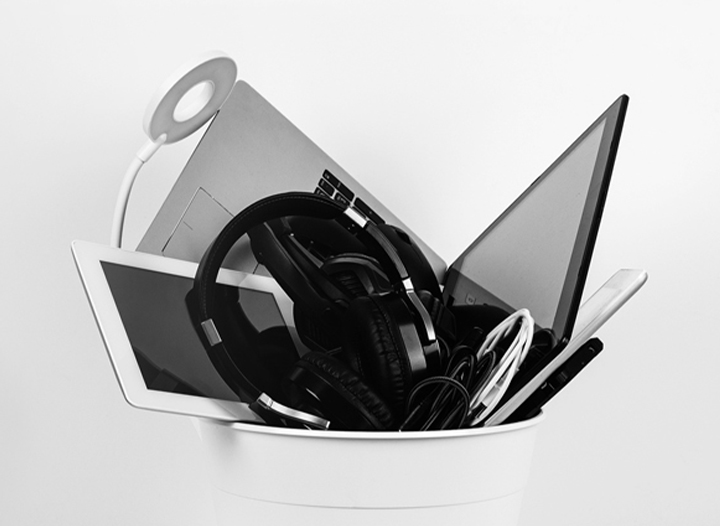
Electro-waste (electro-waste) is used electrical and electronic equipment: smartphones, laptops, tablets, headphones, chargers or household appliances. Any device with a plug or battery becomes electronic waste when it is no longer in use.
The problem is not just the number of them, but the rate at which we replace them. We change smartphones on average every 2-3 years, although technically they could last much longer.
It’s worth remembering that the problem of electro-waste is not just about smartphones. It also includes laptops, tablets, game consoles, headphones, household appliances or smart watches. However, it is smartphones that have become the most visible symbol of this phenomenon, since we replace them most often and they are produced the most.
Why is electro-waste dangerous to the environment?
Inside the devices are:
Heavy metals (e.g., lead, mercury),
chemicals,
hard-to-degrade plastics,
valuable raw materials, such as gold and cobalt.
If equipment ends up in illegal landfills or improperly processed, toxic compounds seep into the soil and groundwater. In turn, the extraction of new raw materials means huge energy consumption and CO₂ emissions.
It’s a vicious cycle: we produce more, replace faster, generate more waste.
Why do we produce so much electro-waste?
- Quick releases of new models – Manufacturers release new versions of devices every year. Marketing prompts: “Your model is already obsolete.”
- Fear of hidden defects in used equipment – Many people prefer to buy a new phone because they are afraid that a used one will be defective. This is understandable – no one wants to overpay for something untested.
- Difficult to repair – Parts can be expensive, and some devices are designed to be difficult to repair.
The result? Workable devices end up in drawers or the trash, instead of circulating.
How can electronic waste be reduced?
1. use your devices longer
Before you replace your smartphone, check:
Whether replacing the battery is enough,
Whether a system update will solve the problem,
Whether the repair will not be cheaper than buying a new model.
Often a small investment extends the life of the phone by another 1-2 years.
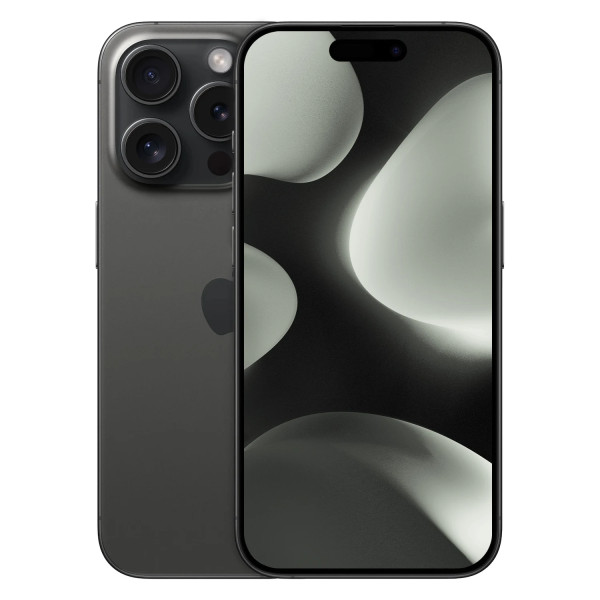
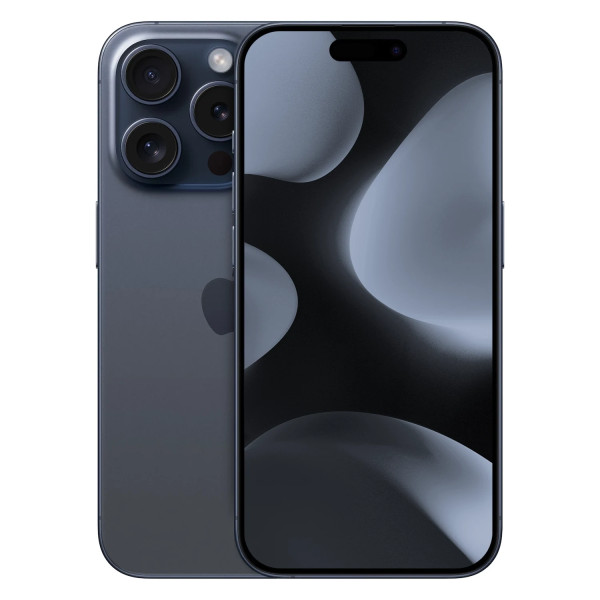
2. choose refurbished smartphones over new ones
This is one of the most effective solutions if you are wondering how to reduce the amount of electro-waste.
A refurbished smartphone is a device:
What does this mean in practice?
- less extraction of new raw materials
- less CO₂ emissions.
- Less equipment going to landfills
- Real savings for your budget
When you choose a refurbished phone, you don’t risk “hidden defects,” because the equipment goes through professional quality control and comes with a p-guarantee, and that’s a huge difference from buying from a private individual.
3. donate electro-waste to proper collection
Poland has a collection system for waste electrical and electronic equipment. You can:
Return the old phone to the store when buying a new one,
Take advantage of the city’s selective waste collection points,
pass on a working device for re-sale or refurbishment.
Even one donated smartphone means the recovery of valuable raw materials and less toxic waste in the environment.
4. think in terms of the circular economy
Linear model: buy -> use -> discard.
Circular model: buy -> use -> renew -> continue to use.
In a closed-loop economy, appliances do not end their lives in a landfill. They end up being reused. Refurbished smartphones are a real-world example of this approach – technology stays in circulation instead of generating more electro-waste.
Can one consumer make a difference?
Yes, purchasing decisions matter.
If you choose a refurbished phone instead of a new one:
You reduce demand for production,
You reduce emissions associated with resource extraction,
You support a more responsible consumption model.
It’s not giving up on technology. It’s using it more wisely.
What do you gain by buying refurbished electronics?
| New device | Refurbished device |
|---|
| Higher price | Lower price |
| Production = new CO₂ emissions. | No need to produce from scratch |
| Shorter product life cycle | Extended life cycle |
| More electro-waste | Less electro-waste |
For many people, the barrier is fear of quality. This is natural – no one wants to buy equipment with a hidden defect. That’s why it’s so important to choose a proven seller that offers detailed technical tests, a clear classification of the device’s condition and a warranty.
When you buy refurbished electronics, you save money, reduce your environmental impact, and still benefit from fully functional equipment – without compromise.