
Added:
Added:
Video recording with a smartphone has long ceased to be just a simple accessory. Today, phones are capable of cinema-quality recording – offering 4K at 120 fps, log modes, professional stabilization and the option to save footage directly to an external SSD. In 2026, choosing the right phone for recording depends not only on the frame rate or resolution, but also on how it performs in everyday use.
The choice of phone for recording depends on how you want to use it on a daily basis. If you are taking family vacation shots, ease of use and stabilization will be important – to make the recordings smooth without additional equipment. For business work or creating training materials, reliability and good sound quality are important.
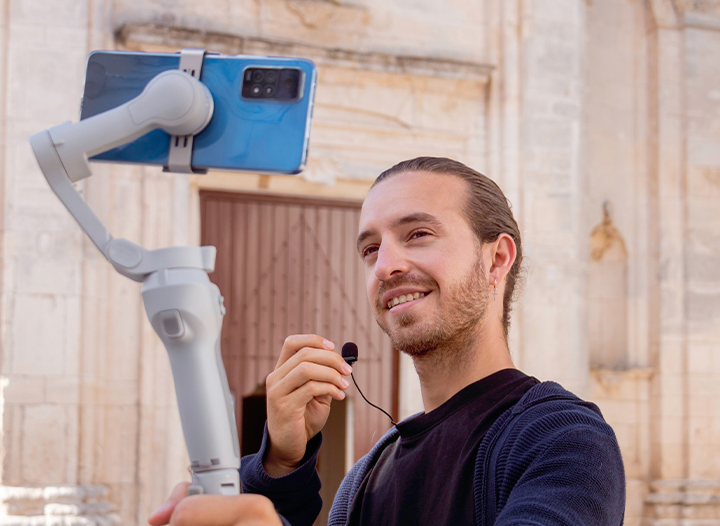
If you dream of vlogging or TikToki, you need a phone with portrait mode in video, a bright lens and easy editing in apps. And for those developing their brand in social media and influencing, 4K video, vivid colors and fast editing capabilities will be key.
A smartphone for video is therefore worth choosing not only by parameters, but above all under your own lifestyle and the way you want to tell stories.
If you don’t want to invest in the latest flagship, a great option would be the older models available as refurbished versions. They still give great video, and cost much less:
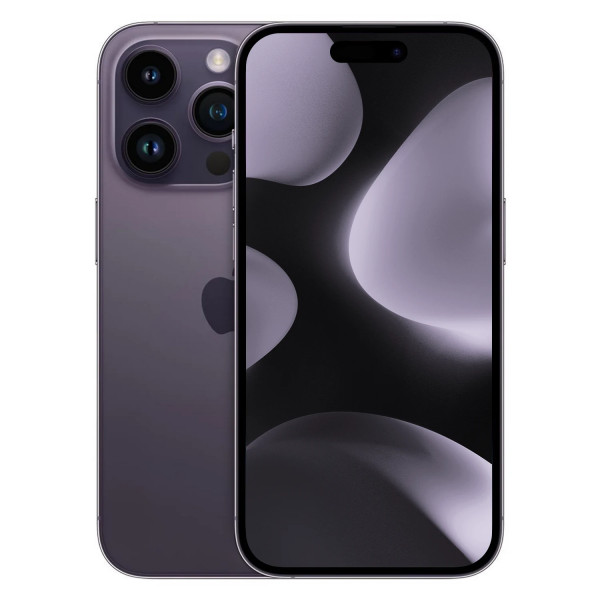
By buying refurbished, you get equipment that is proven and cheaper, while reducing electro-waste and giving devices a second life.
It depends on what you use your smartphone for. Full HD (1080p) is still sufficient for everyday footage – videos are smooth, take up less space and transfer faster. However, 4K gives you higher detail and sharpness, which you’ll appreciate when watching on a large screen, editing footage or creating content for YouTube and social media.
In practice, 4K is better if you shoot videos professionally or want to have a quality backup for the future. For simple family or story recordings, Full HD is completely sufficient. It’s also good to remember that most new smartphones record in both modes – so you can adjust the quality to your needs and not worry about storage space.
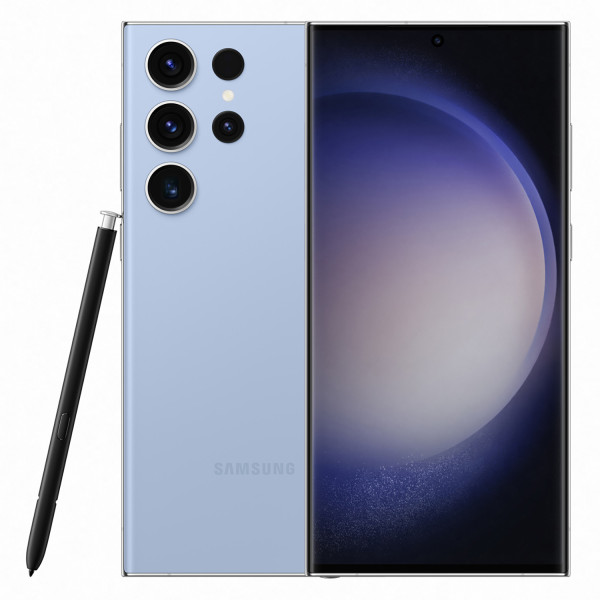
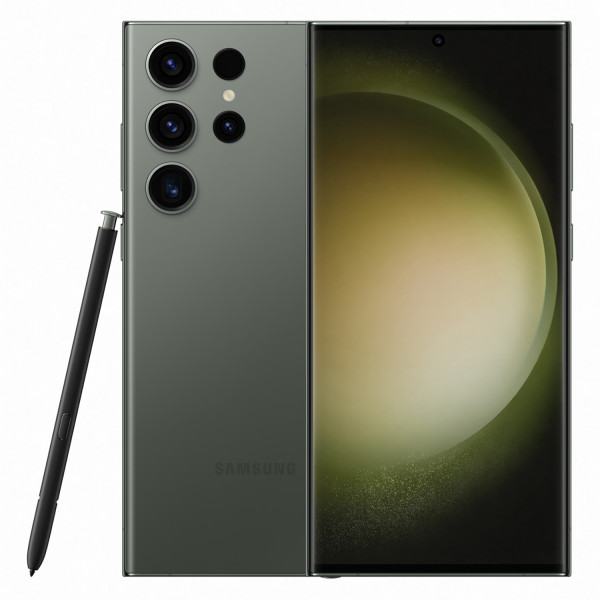
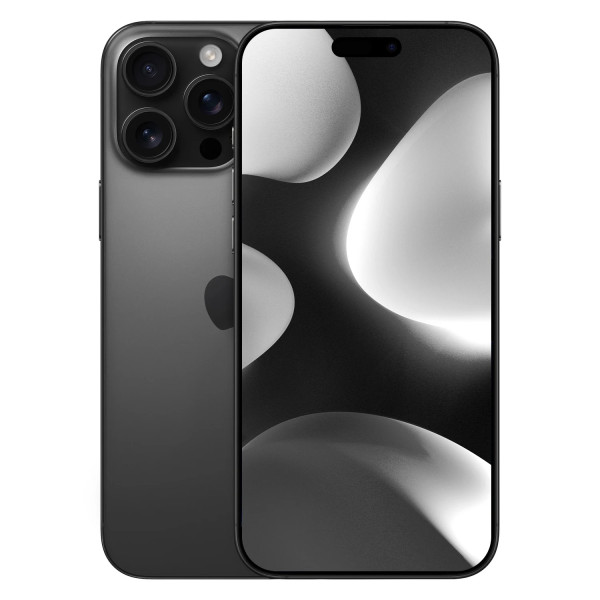
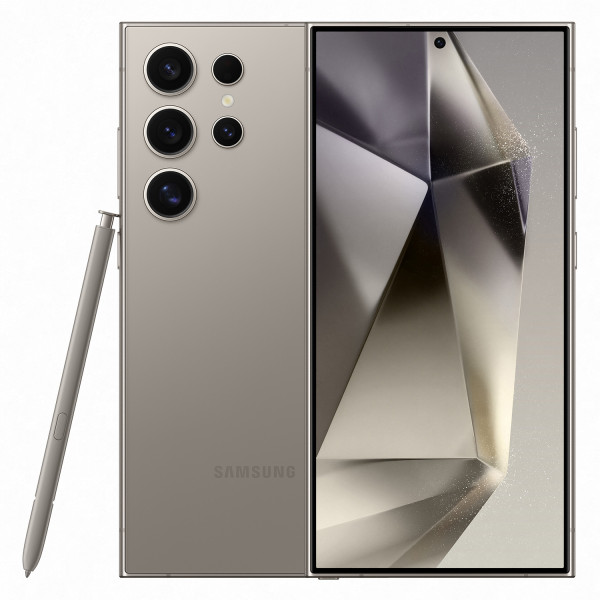
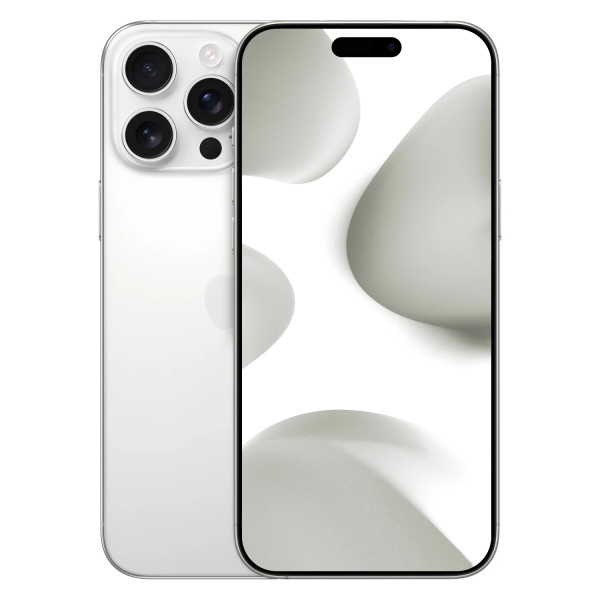
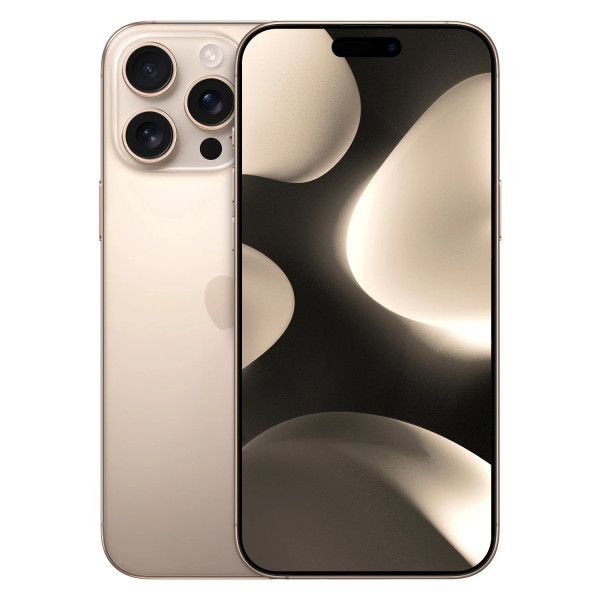
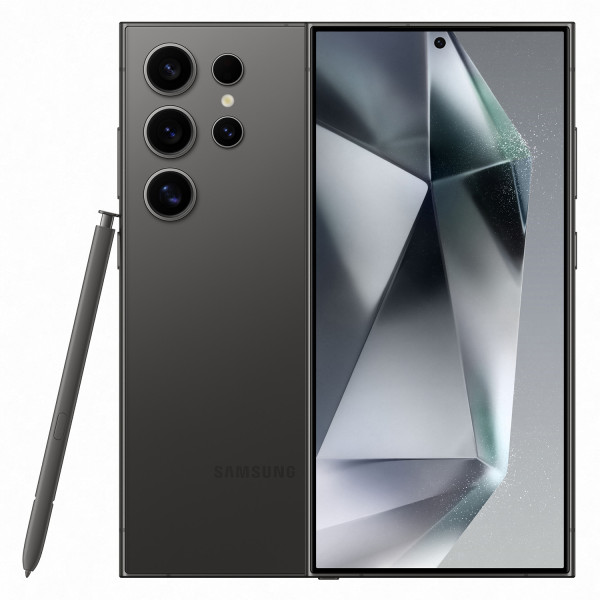
For vlogging, the 2026 iPhone 17 Pro Max is great – it records in 4K/120 fps, has excellent stabilization, natural colors and professional video profiles. A very strong alternative is the Samsung Galaxy S25 Ultra with 8K recording and extensive AI modes.
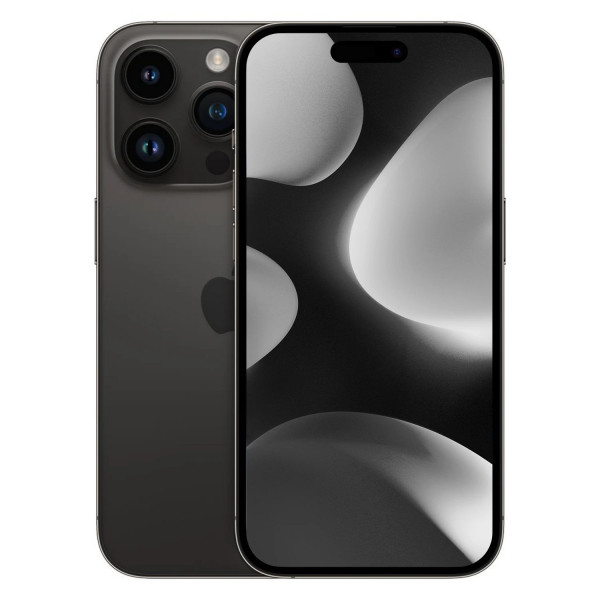
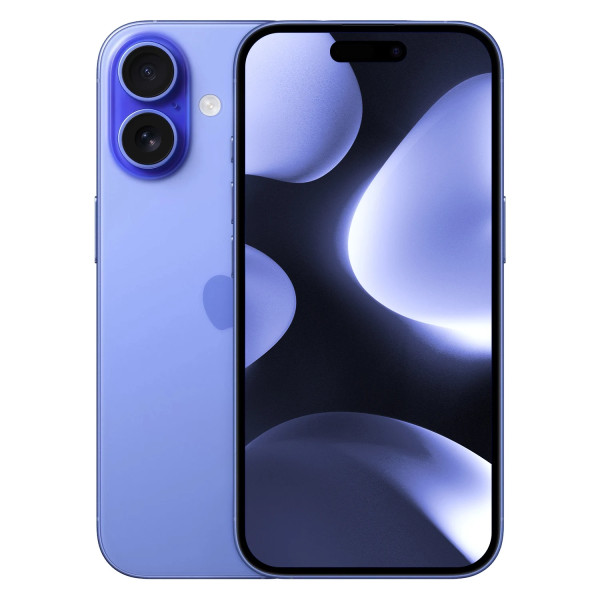
With a limited budget, great choices continue to be ex-flagships like the iPhone 16 Pro Max or Samsung Galaxy S24 Ultra, which offer great video capabilities and are still solid phones for vlogging.
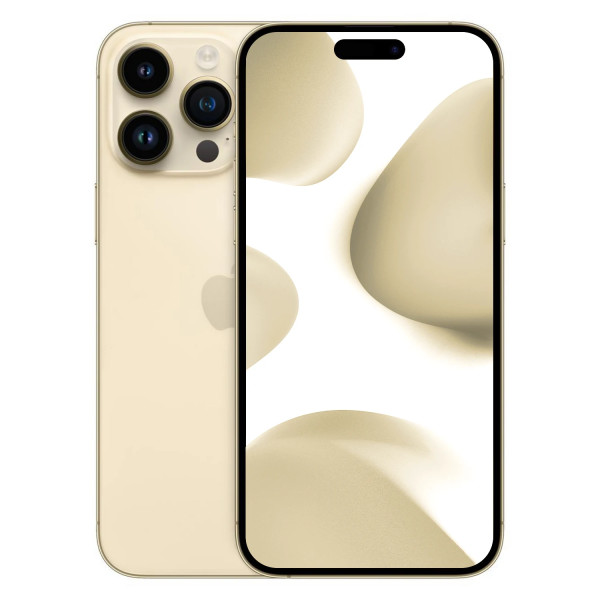
For those looking for a solid, cheaper option, a good choice is the Google Pixel 9a 5G with smooth stabilization and 4K video or the refurbished iPhone 14 Pro series.
Both have their strengths. The iPhone is the choice of filmmakers who appreciate cinematic footage – it offers natural colors, great stabilization and professional formats (Dolby Vision, ProRes, LOG). In practice, this means less processing work and material that is ready immediately after recording. Samsung, on the other hand, gives more versatility – it supports recording in 8K, has more extensive slow motion modes and greater zoom capabilities. So if simplicity and a “cinematic look” are your priorities – iPhone. If you want to play with modes, have tremendous control and experiment with formats – Samsung.
In many applications – yes. Modern flagships offer 4K and even 8K, good stabilization and LOG modes for professional color processing. Still, cameras win out for long recordings, working in very low light and with professional optics.
8K gives a huge amount of detail and allows you to frame footage in post-production without losing quality in 4K. In practice, however, it takes up a lot of space and requires a powerful computer for editing. For most filmmakers, 4K in high quality is still more practical.
In good flagships – often yes, especially for walking and handheld shots. A gimbal still gives more cinematic, smooth camera movement and works well for dynamic scenes. For simple vlogs and roleplaying, the stabilization built into the phone is usually sufficient.
ABOUT THE AUTHOR:
I’m passionate about refurbished electronics – I show that you can have great equipment without overpaying and without adding more electronics junk. On the blog, I share my knowledge and experience to inspire smarter and more informed technology choices.
ABOUT THE AUTHOR:
I’m passionate about refurbished electronics – I show that you can have great equipment without overpaying and without adding more electronics junk. On the blog, I share my knowledge and experience to inspire smarter and more informed technology choices.