Xiaomi 14 vs. Xiaomi 17 – Key Facts
- The Xiaomi 17 features a more powerful Snapdragon 8 Elite 2 processor, allowing it to handle demanding games and AI features more effectively.
- The Xiaomi 14 still delivers flagship-level performance and remains a very fast smartphone for most users.
- The Xiaomi 17 has a larger battery with a capacity of about 6,000 mAh, which translates to significantly longer battery life.
- Both models feature a 6.36-inch 120 Hz LTPO AMOLED display, but the Xiaomi 17 has a higher maximum brightness.
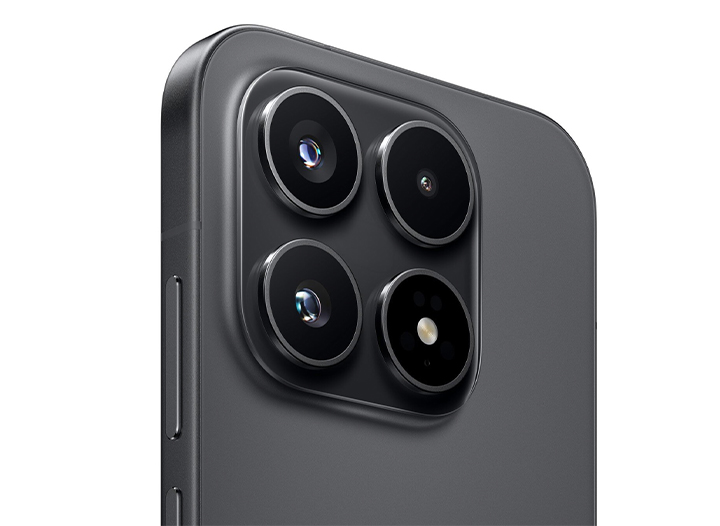
- Both smartphones feature a 50 MP triple Leica camera, but the Xiaomi 17 offers newer image processing algorithms and performs better with night shots.
- The Xiaomi 17 offers more effective stabilization during video recording and more AI-powered features.
- If you’re looking for the best value for the price, the Xiaomi 14 remains one of Xiaomi’s most cost-effective flagships.
Comparison of the Xiaomi 14 and Xiaomi 17 Specifications
Xiaomi 14 vs. Xiaomi 17 Comparison
| Specification |
Xiaomi 14 |
Xiaomi 17 |
| Release Date |
2024 |
2025 |
| Processor |
Snapdragon 8 Gen 3 |
Snapdragon 8 Elite 2 |
| RAM |
12 GB / 16 GB LPDDR5X |
12 GB / 16 GB LPDDR5X |
| Internal storage |
256 GB / 512 GB / 1 TB UFS 4.0 |
256 GB / 512 GB / 1 TB UFS 4.1 |
| Screen |
6.36″ AMOLED LTPO 1–120 Hz |
6.36″ AMOLED LTPO 1–120 Hz |
| Maximum brightness |
up to 3,000 nits |
up to 3,200 nits |
| Main Camera |
50 MP Leica |
50 MP next-generation Leica |
| Telephoto lens |
50 MP 3.2x |
50 MP 3x |
| Ultra-wide |
50 MP |
50 MP |
| Video |
up to 8K at 24 fps |
up to 8K + enhanced AI stabilization |
| Battery |
4610 mAh |
approx. 6000 mAh |
| Wired Charging |
90 W |
90 W |
| Wireless charging |
50 W |
50 W |
| System |
HyperOS |
HyperOS 3 |
| Connectivity |
Wi-Fi 7, Bluetooth 5.4 |
Wi-Fi 7, Bluetooth 6.0 |
| Certificate |
IP68 |
IP68 |
Do the Xiaomi 14 and Xiaomi 17 look different?
| Feature | Xiaomi 14 | Xiaomi 17 |
|---|
| Dimensions | 152.8 × 71.5 × 8.2 mm | 152.8 × 71.7 × 8.3 mm |
| Weight | 193 g | approx. 198 g |
| Materials | Glass + aluminum frame | Glass + aluminum frame |
| Resistance | IP68 | IP68 |
| Fingerprint reader | Optical | Ultrasonic |
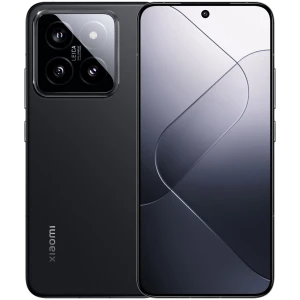
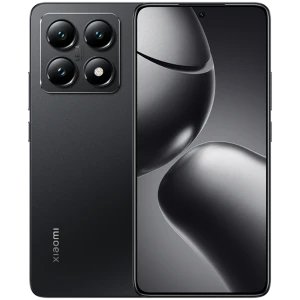
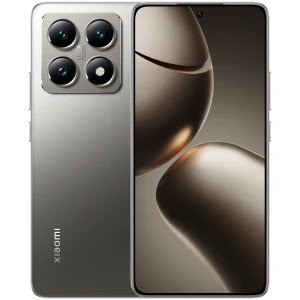
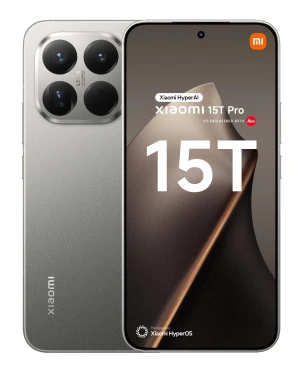
At first glance, both smartphones look almost identical. Xiaomi has retained the compact design with a 6.36-inch screen, slim bezels, and the distinctive camera island. The Xiaomi 17 is slightly heavier, but the difference of a few grams is practically imperceptible during everyday use.
The biggest change is the ultrasonic fingerprint reader used in the Xiaomi 17. It works faster than the optical solution in the Xiaomi 14 and performs better when unlocking with a wet or dirty finger. If appearance is your main concern, both models are very similar in this regard, and it’s hard to pick a clear winner.
How does the Xiaomi 14's screen compare to the Xiaomi 17's?
| Specification | Xiaomi 14 | Xiaomi 17 |
| Diagonal | 6.36″ | 6.36″ |
| Type | AMOLED LTPO | AMOLED LTPO |
| Refresh rate | 1-120 Hz | 1-120 Hz |
| Resolution | 2670 × 1200 px | 2670 × 1200 px |
| Peak brightness | 3,000 nits | 3,200 nits |
| Dolby Vision | Yes | Yes |
In terms of specifications, both displays are top-notch. They offer a resolution of 2670 × 1200 pixels, an adaptive refresh rate of 1–120 Hz, and support for HDR10+ and Dolby Vision. The Xiaomi 17 stands out primarily due to its higher brightness, reaching approximately 3,200 nits, while the Xiaomi 14 reaches a maximum of 3,000 nits.
In practice, the differences are most noticeable outdoors. In bright sunlight, the Xiaomi 17’s screen remains slightly easier to read, and the automatic brightness adjustment works more smoothly. However, if you use your phone indoors most of the time, the display quality on both models will be very similar.
Processor and Performance in the Xiaomi 14 and 17
| Specification | Xiaomi 14 | Xiaomi 17 |
| Processor | Snapdragon 8 Gen 3 | Snapdragon 8 Elite 2 |
| RAM | 12 or 16 GB LPDDR5X | 12 or 16 GB LPDDR5X |
| Memory | UFS 4.0 | UFS 4.1 |
| Connectivity | Wi-Fi 7, Bluetooth 5.4 | Wi-Fi 7, Bluetooth 6.0 |
The biggest change is the new Snapdragon 8 Elite 2 processor, which offers higher CPU and GPU performance and better energy efficiency than the Snapdragon 8 Gen 3 used in the Xiaomi 14. The newer model also uses UFS 4.1 storage, allowing apps and large files to load even faster.
The differences will be most noticeable when gaming, editing videos, or using AI features. For everyday tasks like social media, browsing the web, or taking photos, the Xiaomi 14 still runs lightning-fast, and you’ll hardly notice any lack of power. Therefore, the choice between the two models depends mainly on how long you plan to use the smartphone and whether you’ll take advantage of the newer chip’s potential.
How do the cameras on the Xiaomi 14 and Xiaomi 17 compare?
| Specification | Xiaomi 14 | Xiaomi 17 |
|---|
| Main Camera | 50 MP Leica Light Fusion 900 | 50 MP Next-Generation Leica |
| Telephoto lens | 50 MP, 3.2x | 50 MP, 3x |
| Ultra-wide-angle camera | 50 MP | 50 MP |
| Front camera | 32 MP | 32 MP |
In terms of specifications, both smartphones offer a very similar camera setup. Both models feature three 50 MP sensors with Leica optics, including a telephoto lens and an ultra-wide-angle camera. However, the Xiaomi 17 uses newer image processing and improved HyperOS algorithms, allowing it to handle white balance, dynamic range, and noise reduction better in low-light conditions.
In everyday photography, the differences aren’t huge. The Xiaomi 14 still takes very detailed photos with natural colors and fast autofocus. The Xiaomi 17 tends to perform better in more challenging lighting conditions, where photos retain more detail and highlights are better controlled. If you mainly take photos during the day, both models deliver very similar quality.
How long does the battery last?
| Specification | Xiaomi 14 | Xiaomi 17 |
|---|
| Battery | 4610 mAh | approx. 6000 mAh |
| Wired Charging | 90 W | 90 W |
| Wireless charging | 50 W | 50 W |
| Chargeback | 10 W | 10 W |
The biggest change compared to the Xiaomi 14 is the significantly larger battery used in the Xiaomi 17. The capacity has increased from 4,610 mAh to about 6,000 mAh, while the manufacturer has retained 90 W wired fast charging and 50 W wireless charging. As a result, charging times remain very short despite the larger battery.
In practice, the Xiaomi 14 easily lasts a full day of heavy use. The Xiaomi 17, on the other hand, can end the day with significantly more battery life to spare, and with moderate use, it often lasts up to two days without a charger. This is one of the biggest advantages of the newer model and an argument that, for many users, may be more important than the increase in processor performance alone.
HyperOS and AI Features – What's New in the Xiaomi 17?
| Specification | Xiaomi 14 | Xiaomi 17 |
|---|
| System | HyperOS | HyperOS 3 |
| AI Features | Basic | Advanced |
| Live Translation | Yes | Yes |
| AI Photo Editing | Yes | Advanced |
| Text and Summary Generation | Limited | Yes |
Both models run on HyperOS, but the Xiaomi 17 comes with a newer version of the operating system that includes more AI-powered features. These include, among other things, more advanced photo editing, smart note summaries, real-time translations, and more efficient search capabilities for content stored on the phone.
On a day-to-day basis, the differences aren’t as noticeable as they are with the battery or performance. However, if you plan to use your smartphone for several years to come, the Xiaomi 17 is more likely to receive longer-term support and access to new AI features that the manufacturer will develop with future updates.
Xiaomi 14 or Xiaomi 17—which model is the better choice?
Both smartphones are part of Xiaomi’s flagship lineup, but they’re aimed at slightly different users. Here’s which model to choose based on your needs.
Choose the Xiaomi 14 if:
- If you’re looking for the best value for the features,
- Are you looking for a compact flagship phone with a very powerful processor,
- You take a lot of photos and expect high-quality Leica cameras,
- you don’t need the latest AI features,
- You want to save money without sacrificing premium performance.
Choose the Xiaomi 17 if:
- you plan to use your phone for the next few years,
- If you want even longer battery life,
- You often record videos and want better stabilization and image processing,
- Do you want to take advantage of the latest HyperOS features and artificial intelligence,
- You expect maximum performance in games and demanding applications.
Refurbished Xiaomi smartphones—a way to buy a flagship model at a lower price
Refurbished Xiaomi smartphones are a great way to buy a high-end device at a much lower price. Our selection includes both newer models, such as the Xiaomi 14, and many other phones from this brand that still offer high performance, great cameras, and long-term manufacturer support.
Every refurbished smartphone available on SWOPiFY undergoes a thorough technical inspection, so you can be sure that all the key components are working properly. You also receive a warranty and the option to purchase a device in various cosmetic condition categories, allowing you to choose a phone that fits your budget.
When you choose a refurbished smartphone, you not only save money, but you also give the device a second life and reduce electronic waste. This is the perfect solution for people who want to buy a reliable phone at an attractive price, without compromising on quality or the security of their purchase.